The short answer
A sewing machine can cost about $90 to $150 for portable mending, roughly $280 to $560 for a capable general sewing machine, and around $1,500 for a current sewing-and-embroidery example. A serger is a separate specialty purchase: one current Brother example is listed at $289.99. Those are useful planning bands drawn from current manufacturer listings, not a promise that every machine in a category costs the same.
For perspective, SINGER lists its lightweight M1000 mending machine at $89.99, with a $139.99 MSRP. Brother lists the computerized CS7000X sewing-and-quilting machine at $279.99, while Janome shows the mechanical HD-3000 at $559 and directs shoppers to an authorized dealer for the actual selling price. Brother’s SE2000 sewing-and-embroidery machine is listed at $1,499.99. SINGER M1000 · Brother CS7000X · Janome HD-3000 · Brother SE2000
Key takeaways
- Buy for the projects you expect to make in the next year, not for the longest feature list.
- A basic machine can be enough for hems and occasional repairs, but it may become limiting for frequent garment sewing, quilting, or thick seams.
- More money should buy a meaningful improvement—such as a sturdier frame, better feed, easier controls, useful included feet, or a specialty function—not just more decorative stitches.
- Check the current price, included accessories, warranty, and local service options before deciding. Sale prices and dealer pricing can change.
Sewing machine costs by type and starting point
The most helpful way to set a budget is to match the machine to your work. The examples below are official US listings accessed September 23, 2026; they illustrate price points rather than a complete market survey.
| Your starting point | Practical budget to plan for | What that money should cover | Current example |
|---|---|---|---|
| Occasional mending, hems, or a small space | About $90–$150 | Straight stitch, zigzag, reverse, a free arm, and a small footprint | SINGER M1000: $89.99 listed price; $139.99 MSRP |
| First garments, regular repairs, or basic quilting | About $280–$560 | Reliable everyday stitching, a usable buttonhole, useful feet, and controls you can learn quickly | Brother CS7000X: $279.99; Janome HD-3000: $559, dealer pricing applies |
| Sewing with a serger | Around $290 for the listed example | Three- or four-thread overlocking, differential feed, and the feet you need | Brother 1034DX: $289.99 |
| Sewing plus machine embroidery | Four figures for the listed example | An embroidery field, hoops, design handling, and sewing features | Brother SE2000: $1,499.99 |
The SINGER M1000 is specifically positioned for light- and medium-weight fabrics and includes four built-in stitch types, while the CS7000X includes 70 stitches, 10 sewing feet, a wide table, speed control, and a 25-year limited warranty. The Janome HD-3000 has an aluminum frame, 18 stitches, a hard cover, and a five-piece feed dog. Those details help explain why “a sewing machine” is not one uniform product. SINGER M1000 · Brother CS7000X · Janome HD-3000
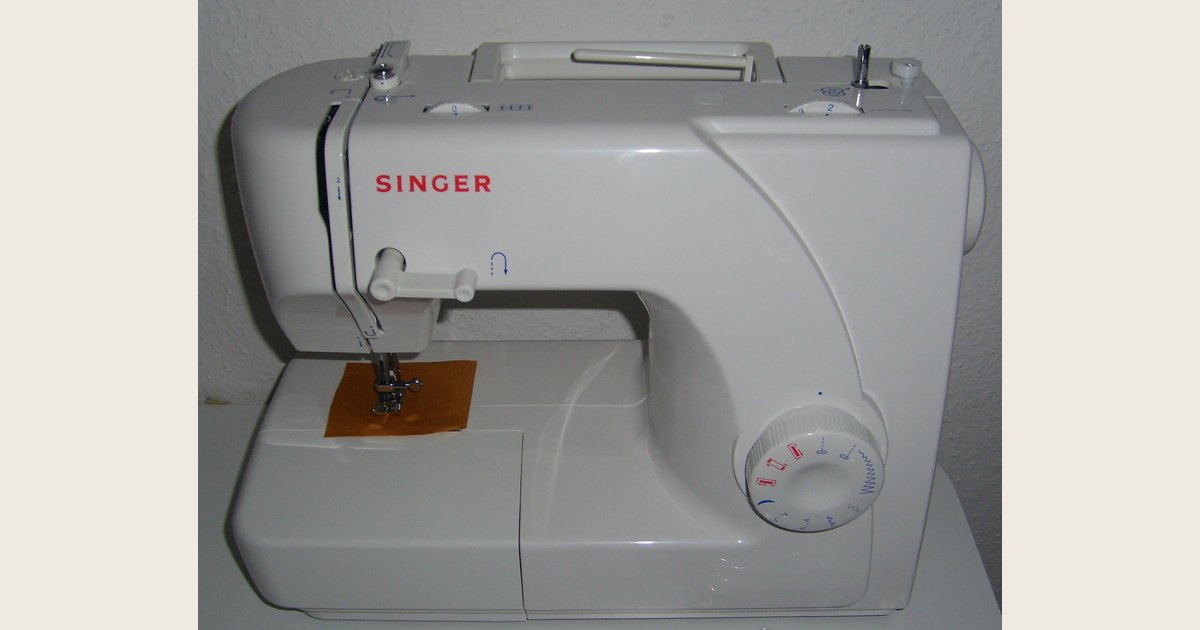
Photo: Sewing Machine by Siona Karen, https://www.flickr.com/photos/26149290@N02/5444763605; https://creativecommons.org/licenses/by/2.0/. Resized and padded. Illustrative stock photo; no product testing is implied.
What changes the price?
The machine’s job changes the price more than the word “beginner” does. A low-cost repair machine is built for different work than a general-purpose machine, serger, or embroidery combination machine.
Here is what is worth comparing:
- Construction and feeding: A sturdier frame and a feed system that moves fabric consistently matter when you sew often or cross bulky seam allowances. The HD-3000’s aluminum frame and five-piece feed dog are examples of construction features to compare.
- Controls and convenience: Automatic needle threading, a quick-set bobbin, an LCD, speed control, or a one-step buttonhole can make learning less frustrating. They can also raise the price.
- Workspace and included accessories: A wide table, hard cover, quilting guide, walking foot, or specialty presser feet can be useful value if you will actually use them. Buying a machine with ten feet is not a bargain if nine remain in the box.
- Specialty capability: Embroidery requires a hoop and design system; a serger requires its own threading and loopers. Those are different tools, not upgrades that every sewist needs.
- Service and warranty: Read the warranty terms, but also ask who can service the brand nearby. Brother lists a 25-year limited warranty for the CS7000X; its 1034DX serger lists 1/5/25-year limited coverage. Brother CS7000X · Brother 1034DX
What should you buy for the projects you actually do?
If you mostly repair clothing
Spend less, but do not buy a machine too weak for the fabrics you repair. A compact model can make sense for hems, minor tears, and occasional alterations. Prioritize a free arm for cuffs and pant legs, reverse for securing seams, and a simple threading path. The M1000, for example, has a free arm, reverse, tension control, and a portable 5.5-pound design, but its maker describes it for light- and medium-weight fabrics. That is a reasonable boundary to respect rather than a challenge to overcome. SINGER M1000
If hemming is your main goal, learn the technique before paying for extra features: how to hem with a sewing machine walks through the process.
If you are learning garments or sewing regularly
A general-purpose machine in the roughly $280–$560 planning band is usually the more comfortable long-term choice. Look for a good selection of practical stitches, a buttonhole, adjustable speed if that would help your confidence, and accessories that fit your projects. A wide table is valuable for quilting but is less important for simple repairs.
Do not assume a computerized model is only for experts. It can make stitch selection and speed management easier, but a mechanical machine may suit you if you prefer direct dial controls and do not need decorative choices. See what a computerized sewing machine is and who should buy one for the tradeoffs.
If you want polished seam finishes
Consider a serger only when its specific strengths match your work. The Brother 1034DX is a three-/four-thread serger with differential feed, rolled-hem capability, and a stated maximum speed of 1,300 stitches per minute. It is designed to work with knits and wovens, but it does not replace a regular sewing machine for every construction task. Brother 1034DX
Start with a regular machine if you are still learning basic seams, buttonholes, and alterations. Add a serger when you know you want the finish it produces. Our guide to what a serger sewing machine does—and cannot do can help you decide.
If embroidery is the reason you are shopping
Budget for a specialty system, not simply a fancier sewing machine. The SE2000 combines sewing and embroidery and includes a 5-by-7-inch embroidery area, an embroidery frame, eight presser feet, Wi-Fi, and design-transfer features. Its $1,499.99 list price illustrates why it is sensible to confirm that you will use embroidery before making the jump. Brother SE2000
When a cheaper machine is the better buy—and when it is not
A cheaper machine is the better buy when it handles your actual materials, has the basics you need, and will be used occasionally. It is not automatically a false economy just because it has fewer stitches.
Spend more when one of these is true:
- You sew weekly and want less setup friction.
- You regularly sew multiple layers, thicker seams, or larger projects.
- You need a feature that changes your workflow, such as a wide table, adjustable speed, embroidery, or differential feed.
- The included accessories replace things you would otherwise buy separately.
- You can get local instruction or service with the purchase.
Avoid paying extra solely for a high stitch count. For many home projects, straight stitch, zigzag, reverse, a workable buttonhole, and a few helpful feet matter more than dozens of decorative options.
Costs beyond the machine
The machine is not the complete budget. Set aside room for needles suited to your fabric, compatible bobbins, thread, seam ripper, scissors, measuring tools, fabric, and possibly additional feet. Check what comes in the box rather than assuming two similarly priced machines include the same items. For example, the CS7000X listing includes ten feet, a quilt guide, hard cover, wide table, needles, bobbins, and basic tools; the HD-3000 listing includes several feet, bobbins, a foot control, quilting guide, and hand tools. Brother CS7000X · Janome HD-3000
A five-minute check before you buy
- Write down the three projects you expect to make first.
- Identify the heaviest fabric or thickest seam you expect to sew.
- Confirm that the machine includes the feet and workspace those projects need.
- Read the current listing for warranty coverage, current price, and return terms.
- Download the manual before buying if it is available; make sure the threading and controls look manageable to you.
What a higher price will not fix
A more expensive machine will not compensate for the wrong needle, poor threading, an incorrect bobbin, or trying to sew a material outside the machine’s intended use. Start with scraps, use the manual’s setup guidance, and change the needle when it is bent, dull, or wrong for the fabric.
If a new or existing machine keeps snarling thread, skipping, or jamming, pause rather than forcing the handwheel. Rethread with the presser foot up, check that the bobbin is inserted correctly, replace a damaged needle, and clear lint according to the manual. For a step-by-step diagnostic list, see why a sewing machine keeps jamming.
Frequently asked questions
Is $100 enough for a sewing machine?
It can be enough for a portable machine intended for light repairs and small projects. The SINGER M1000 is one current example at $89.99, but its maker specifies light- and medium-weight fabrics. If you expect frequent garment sewing, quilting, or bulky materials, a larger general-purpose budget is more realistic. SINGER M1000
Is a $500 sewing machine worth it for a beginner?
It can be, if you will sew regularly and the machine’s build, controls, accessories, or service support solve a real need. It is not automatically better for a person making a few repairs each year. Compare the machine’s practical features with the projects you wrote down, not with another shopper’s ambitions.
Should I buy a sewing machine or a serger first?
Buy a regular sewing machine first unless you already know that you need overlocked seams for the projects you make. A serger is a useful companion tool, not a universal substitute for basic construction, hems, repairs, and buttonholes.
Do computerized sewing machines cost more?
Often, but the useful question is whether their controls improve your sewing experience. The $279.99 CS7000X illustrates a computerized price point below the $559 dealer-listed mechanical HD-3000, so “computerized” alone does not determine the price. Brother CS7000X · Janome HD-3000
Bottom line
For most shoppers, the right answer to “how much is a sewing machine?” is not one number. Plan on about $90–$150 for simple mending, roughly $280–$560 for general sewing, and a much larger specialty budget for embroidery. Choose the least expensive machine that is genuinely suited to your fabrics and projects, then verify the current price, included accessories, warranty, and service options before checkout.
Image credits
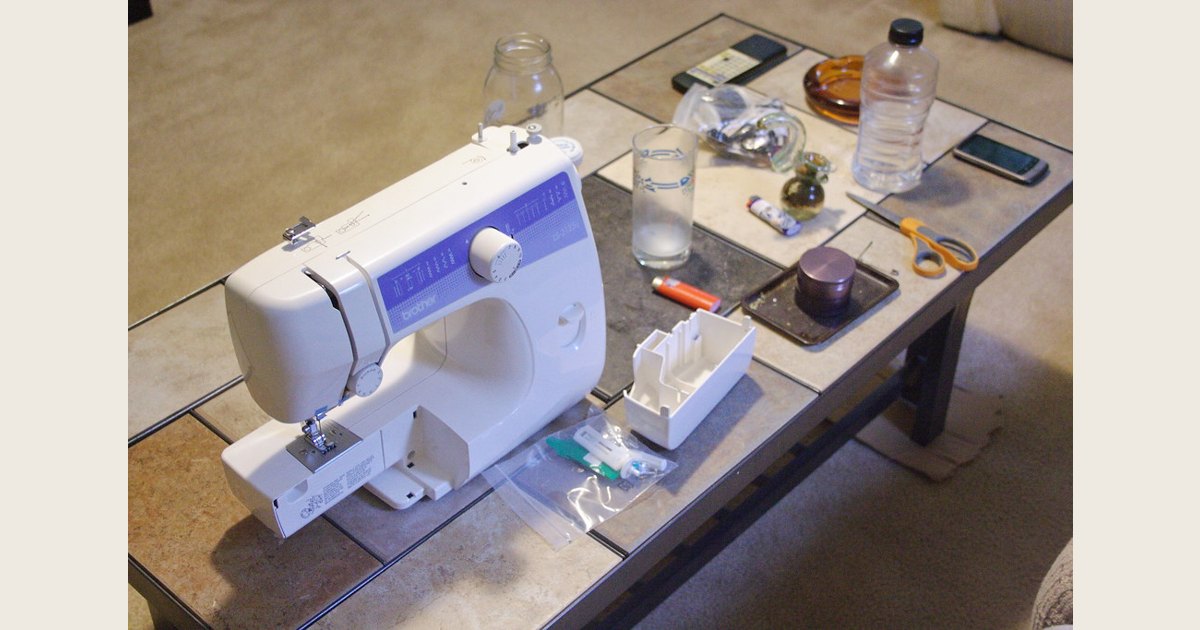
Featured image: Photo: sewing machine by eggrole, https://www.flickr.com/photos/35387910@N04/5543545869; https://creativecommons.org/licenses/by/2.0/. Resized and padded. Illustrative stock photo; no product testing is implied.