There isn’t one best sewing machine for everyone. If you’ll carry yours to a class or sewing group, prioritize a manageable packed size, a protective cover or case, useful basic stitches, and enough workspace for your projects. Based on published features, the Brother CS7000X is a strong fit when you want a wide table and more stitch options; the SINGER M1500 is a simpler choice for mending and basic sewing. Neither is a hands-on winner here: compare the complete packed machine in person if you can, since a listed machine weight may not include its pedal, case, cord, or accessories.
Key Takeaways
- For a versatile class machine, consider the Brother CS7000X for its included hard protective cover, detachable wide table, and 70 built-in stitches.
- For straightforward mending and beginner projects, consider the SINGER M1500, which has preset stitch settings and an accessory-storage compartment.
- Don’t choose by stitch count or a “portable” label alone. Check packed weight, outside dimensions, case fit, setup space, and the fabrics you plan to sew.
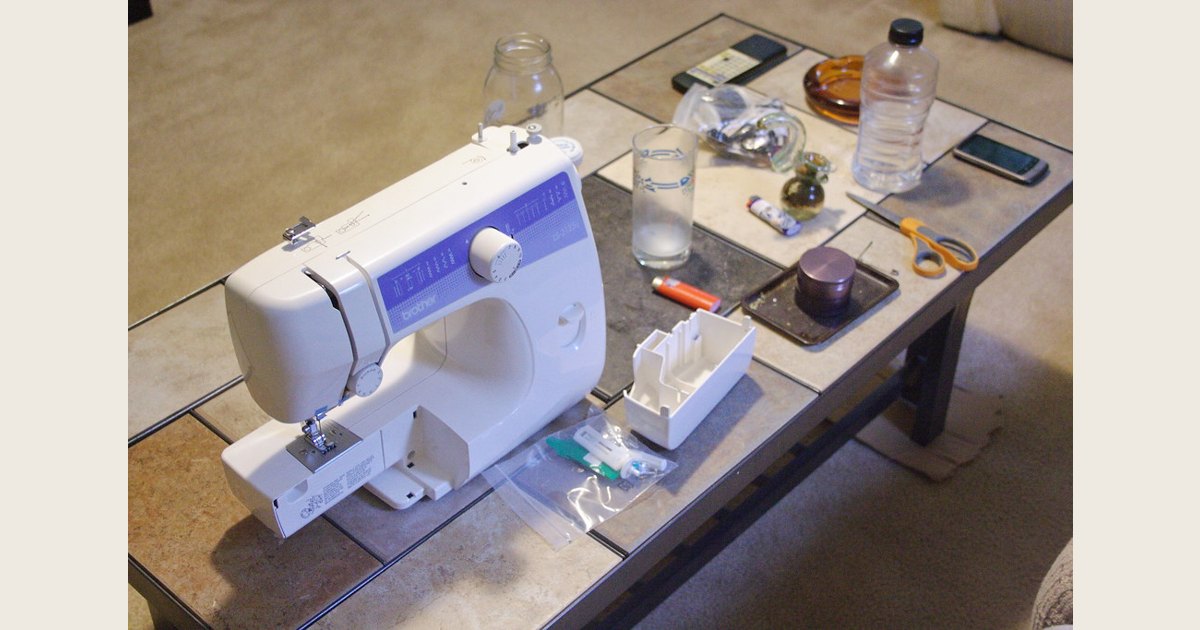
Featured image: an illustrative stock image of a sewing machine and supplies, not a tested product. Photo by eggrole on Flickr, CC BY 2.0; resized and padded.
Quick comparison: which portable machine fits your work?
| Machine | Consider it for | Published features | Check before buying |
|---|---|---|---|
| Brother CS7000X | Classes that may include quilting or varied projects | 70 built-in stitches, detachable wide table, hard protective cover | Its listed dimensions are 12.2 × 6.65 × 16.26 inches; make sure the packed size and extra table work for your trip. |
| SINGER M1500 | Basic sewing, crafts, and mending | 6 built-in stitches, 57 stitch applications, preset stitch length and width | The product page describes it as portable, but a carrying case is not among the listed included accessories. |
The specifications above come from each manufacturer, not a side-by-side sewing test. Brother lists the CS7000X’s dimensions in inches and a “unit weight” of 10.5 without a unit in the specification text; SINGER lists the M1500’s machine weight as 10, also without a unit in the text. Don’t compare those numbers as pounds—or as a like-for-like packed weight—without confirming the units and what each figure includes. (Brother CS7000X; SINGER M1500)
What matters most in a sewing machine you’ll carry?
The best portable sewing machine is one you can comfortably transport and that still handles the work you actually sew. A compact body is helpful, but it doesn’t make up for a machine that lacks a stitch, workspace, or compatible foot you need. Think through the whole trip from home to sewing table.
- Packed weight, not just machine weight: Ask whether the published figure includes the case, foot pedal, power cord, detachable table, and accessories. If possible, lift the packed machine as you would carry it. A machine that feels fine for a short walk may be inconvenient on stairs or public transit.
- Outside dimensions and protection: Check the machine’s dimensions against the bag or case’s inside dimensions, including room for a cord and pedal. A hard cover can protect the top, but it may not function like a padded travel bag with a handle. Confirm how the machine is secured and whether the cover is intended for carrying.
- The class table and your project: Measure the available work surface and consider how much room fabric needs beside the needle. A detachable extension table can support larger work, but it also adds another item to pack. For quilting-specific needs, see our guide to choosing a quilting sewing machine.
- Stitches you’ll use: For common repairs and garment projects, look for the straight stitch, zigzag, reverse sewing, and adjustable stitch length. Add a buttonhole function or specialty stitches only if your projects call for them. More built-in stitches don’t automatically mean better seam quality or easier operation.
- Setup and storage: Consider threading steps, bobbin access, accessory storage, and whether you can set up the machine quickly at class. Keep the manual handy, and confirm that the machine’s feet, needles, and bobbins suit the class project.
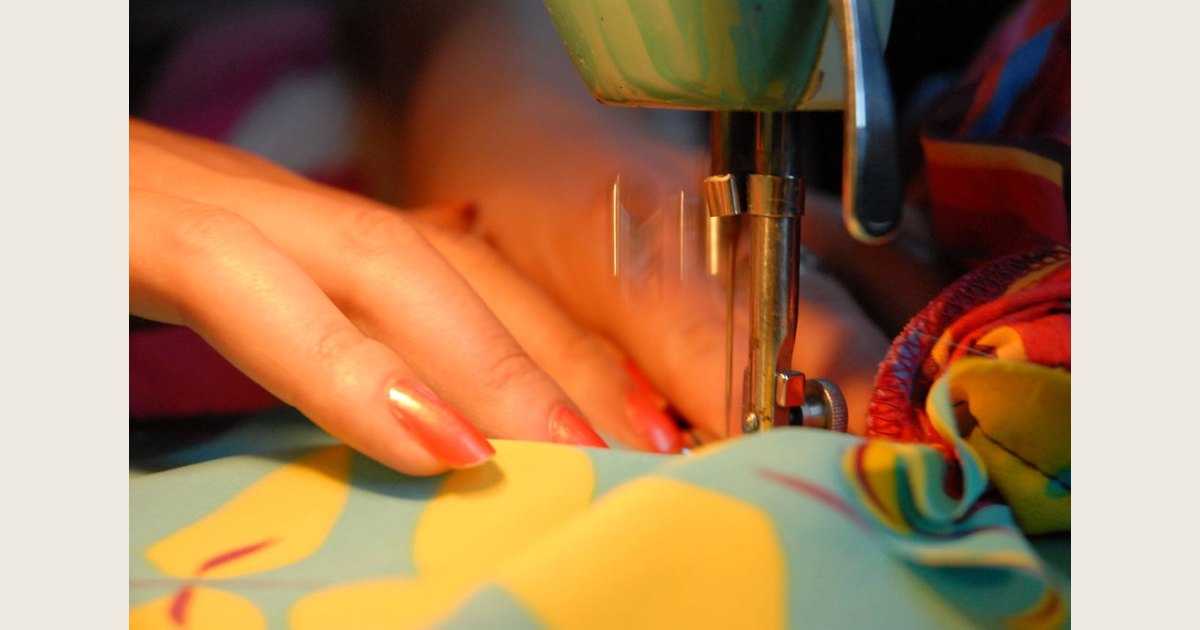
This close-up shows where fabric is guided at the needle. Try a swatch of your project material to check that you can guide it while keeping the work supported on your table. Illustrative stock photo—not to scale or of either model compared here. Photo by tsuacctnt on Flickr, CC BY 2.0; resized and padded.
Brother CS7000X: a versatile pick for class projects
Choose the Brother CS7000X if you want a portable full-featured machine and will make use of its extra table and stitch selection. Brother lists 70 built-in stitches, seven one-step buttonhole styles, adjustable sewing-speed control, a detachable wide table, and a hard protective cover. The included accessories also cover several common sewing and quilting tasks (Brother’s CS7000X product specifications).
That combination makes it more adaptable than a basic mending machine on paper. The included cover and table are especially relevant if the machine will move between home and class: the cover offers protection, while the table can provide more support for larger fabric. But the extra table is another piece to pack, and the listed body dimensions are not tiny. Check your storage spot, transport route, and classroom table before treating it as an easy carry.
This is a feature-based recommendation, not a claim that the CS7000X sews better or is lighter than the alternative. Brother’s page lists “unit weight 10.5” without specifying a unit in the retrieved specifications, so get a confirmed machine-only and packed weight from the seller. Its published specifications also say adjustable presser-foot pressure is not available; if that control matters for your materials, verify requirements before choosing it.
SINGER M1500: a simpler option for everyday sewing
Consider the SINGER M1500 if you want basic controls for simple mending, crafts, and beginner projects. SINGER describes it as lightweight and portable, and lists six built-in stitches that provide 57 stitch applications, preset stitch length and width, a four-step buttonhole, and a removable front storage compartment (SINGER M1500 product page).
Its appeal is simplicity: select a stitch from the dial, use the preset settings, and store the included accessories in the compartment. The trade-off is less choice at the machine than on a model with adjustable stitch settings and more one-step buttonhole options. SINGER lists a sewing space of 5.6 inches from needle to tower and 3.9 inches of height, so compare that workspace with bulky fabrics or projects you’ll bring to class.
One portability detail needs checking: the page lists machine weight as “10” without specifying its unit in the specification text. A universal hard case appears among compatible accessories, not among the included accessories. Confirm its fit and packed weight before budgeting for a carry setup; the manufacturer describes the case as accommodating most brands, not all.
A five-minute fit check before you buy
Use this checklist in a store or while reviewing a seller’s return policy:
- Confirm the exact machine-only weight and units. Ask whether the number is for the machine, shipping carton, or full kit.
- Add the items you’ll carry. Include the case, power cord, pedal, table, foot set, project fabric, and any notions you need.
- Check the actual case interior. Compare its length, width, and height with the machine; make room for the cord and pedal without forcing the zipper or stressing the cover.
- Try the carrying position. Use the handle or strap you plan to use. Check whether the load stays secure and feels manageable for your route.
- Picture the setup. Confirm the machine and project fit on the class table, and check what power access and accessories the class requires.
Before paying, also look up the model’s manual, warranty, and local service options. If you’re deciding between a mechanical and computerized model, our computerized sewing machine guide explains the difference. For a realistic spending range, see how much a sewing machine costs.
So, what is the best sewing machine?
For a machine that travels to class and may handle varied projects, the Brother CS7000X is the better match on published features if you’ll use its detachable wide table and included hard protective cover. For simpler sewing and mending, the SINGER M1500 offers a more basic stitch-selection approach and built-in accessory storage. Neither model earns a universal “best” label from specs alone, and neither has been independently tested for this comparison.
Choose by the work first, then confirm the complete packed size, weight, and case. If you’re deciding whether a handheld option would meet your needs, start with our guide to using a handheld sewing machine; it covers a different style of tool.
Frequently asked questions
Does more built-in stitches mean a better sewing machine?
Not necessarily. A useful straight stitch, zigzag, easy-to-adjust settings, and a buttonhole option may matter more for everyday projects than a long list of decorative stitches. Choose features based on the seams and fabrics you expect to sew, and check the machine’s workspace and included feet too.
Is a hard protective cover the same as a carrying case?
Not always. A cover may shield the machine but may not be padded, have a handle, or secure the pedal and cord. Check what comes in the box, whether the cover is meant to be carried, and the inside dimensions of any separate bag or case.
Should I buy the lightest sewing machine I can find?
Only if it still suits your sewing. Compare the whole packed setup, not an unqualified number on a product page, and make sure the machine supports your projects and fits the work surface. If possible, try carrying it before committing.
The short version: pick a machine for your projects, then test the machine-plus-case you’ll actually carry. The Brother CS7000X favors features and included protection; the SINGER M1500 favors a straightforward setup. Confirm the details that affect your route and class before you buy.