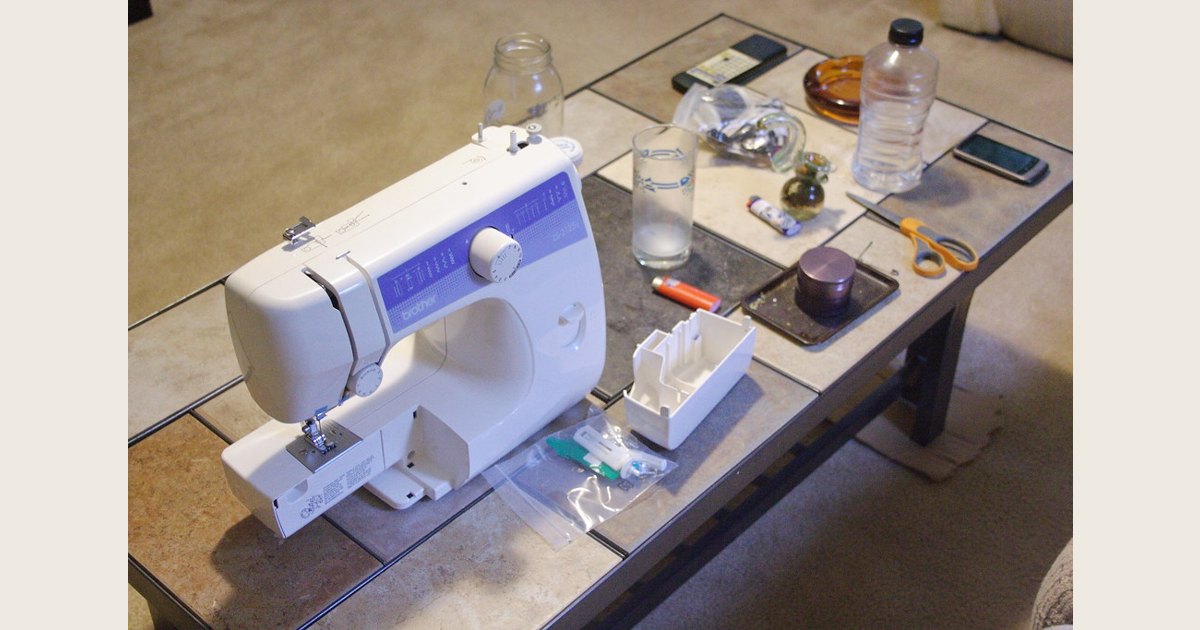
A good quilting sewing machine is not necessarily the one with the most stitches. For most home quilters, the priorities are enough open space to manage the projects they actually make, dependable handling of layered fabric, controls they can reach without losing their place, and compatible feet or accessories for their preferred quilting method. Choose those first; decorative stitches, embroidery, and a long feature list come later.
Start by naming the work you will do most: piecing quilt tops, straight-line quilting, free-motion quilting, or finishing occasional small projects. Then bring a small fabric sandwich or a practice piece when you shop. A machine that feels comfortable with that material is more useful than one whose specification sheet looks impressive.
Quick take
- Choose workspace and layered-fabric handling before comparing stitch counts or decorative features.
- Confirm the included and compatible feet for the quilting method you plan to use; a walking foot is not automatically included.
- Test the exact model with your own fabric sandwich, then review its manual, accessories, and support options before buying.
Cover image credit: Photo: sewing machine by eggrole, Flickr; CC BY 2.0. Resized and padded. Illustrative stock photo; no product testing is implied.
Put these features ahead of the stitch count
1. Workspace: buy room for the quilt you expect to handle
The throat space is the open area between the needle and the machine body. It is where the bulk of a quilt must pass as you turn and reposition it. More room makes a large project less cramped, but no universal measurement is right for every quilter. A person making placemats or baby quilts has a different need from someone regularly quilting throws or bed quilts.
Do not confuse a machine’s outside dimensions with usable throat space. Instead, sit at the machine with a rolled practice quilt or folded batting and answer practical questions:
- Can you turn the material without fighting the machine body?
- Is there a stable extension table available for that specific model?
- Is the work surface at a comfortable height when your hands are on the quilt?
- Will the machine have a permanent table or cabinet, or need to be lifted out for every session?
Buying a machine solely for a future king-size quilt can be wasteful if most of your real projects are small. Conversely, a compact model can become frustrating if you already know that large quilts are your main goal. Match the workspace to your normal project, not to an imagined worst case.
2. Fabric handling: test the setup, not just the label
A quilt sandwich combines a top, batting, and backing, so the machine must be pleasant to use with multiple layers. Look for a model with clear controls for stitch length and needle position, easy presser-foot changes, and a way to lower or otherwise manage the feed dogs when the manual calls for it. Ask the dealer or seller to show the exact procedure on the model you are considering.
For straight-line quilting, ask whether a compatible walking or even-feed foot is included, optional, or unavailable. For free-motion quilting, ask which foot or accessory the manufacturer specifies and how the feed-dog setting is changed. Do not assume that a foot made for another brand, or even another machine in the same brand, will fit correctly.
Features that sound minor can matter during a long seam: a needle-up/needle-down setting, a speed limiter, a start/stop button, or a knee lifter can make stopping and pivoting feel more controlled. Brother’s product page marks the SE1900 discontinued and out of stock, so it is an example of why to verify availability as well as specifications—not a current buying recommendation. The page lists adjustable presser-foot pressure, presser-foot leveling, seven feed-dog points, a knee lifter, and a maximum sewing speed of 850 stitches per minute. Brother’s SE1900 product page also lists the included accessory feet, but not a walking foot. A different example, the Baby Lock Ballad, lists 11.25 inches of space to the right of the needle, retractable feed dogs, variable speed control, automatic needle up/down, a knee lift, and 13 included feet. Compare exact specifications and in-box accessories rather than relying on a category label. Baby Lock’s Ballad specifications show those details for that model.
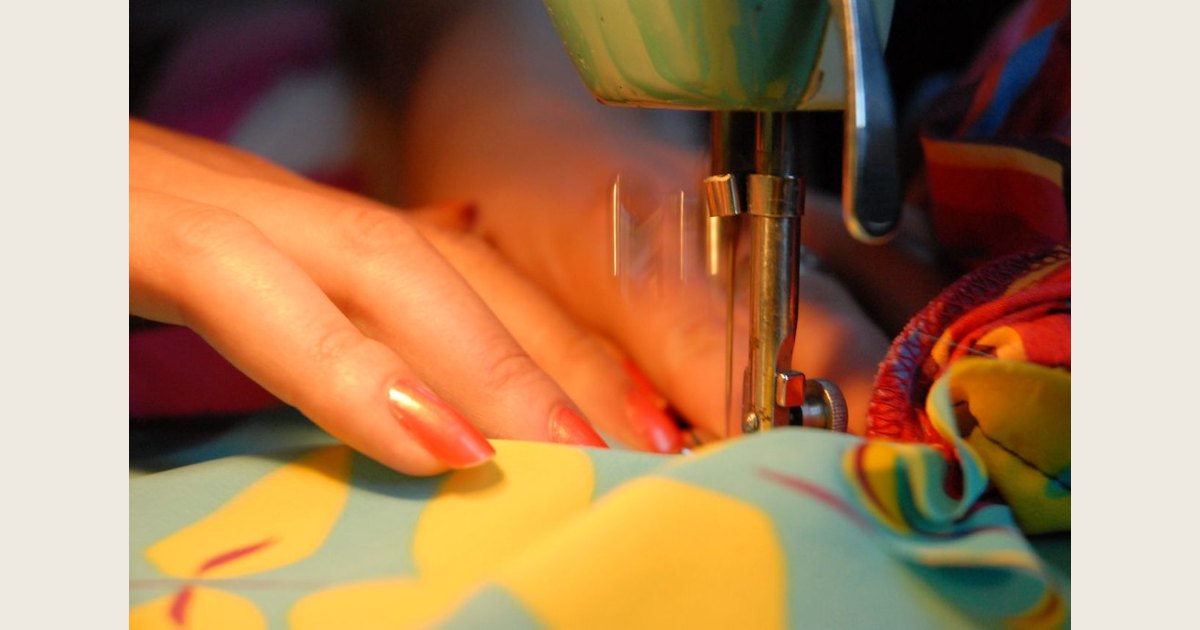
A sewing machine workspace is useful for judging the visibility and hand room you will want while guiding fabric. Photo: Sewing Machine by tsuacctnt, Flickr; CC BY 2.0. Resized and padded. Illustrative stock photo; no product testing is implied.
3. Free-motion options: understand the control you are buying
Free-motion quilting is a different decision from piecing. If it matters to you, sit down for a short demonstration rather than relying on a feature name. Check how the machine changes from normal feeding to free-motion setup, whether the recommended foot gives you a clear view of the needle, and whether you can use the speed control comfortably.
Some machines offer stitch-regulation features. Treat that as an optional assist, not a substitute for trying the machine: ask what the system controls, which foot and modes it requires, and whether it is included or sold separately. The right choice depends on whether you want to develop fully manual control, want help while learning, or simply plan to quilt mostly with straight lines.
A computerized sewing machine can offer convenient on-screen settings and saved choices, but computerized does not automatically mean better for quilting. A straightforward mechanical machine may be the better fit if its workspace, controls, and accessory support suit your projects. Choose the system you understand and will be willing to maintain.
Compare machine types by your work, not by prestige
| If you mostly do this | Put your money and attention here | Features that can wait |
|---|---|---|
| Piece blocks and sew quilt tops | Straight-stitch quality, clear seam controls, comfortable lighting, easy bobbin changes | A large library of decorative stitches |
| Quilt small projects with straight lines | A stable table option, compatible walking/even-feed foot, useful guides, comfortable speed control | A huge throat space you will not use |
| Learn free-motion quilting | An easy free-motion setup, good needle visibility, a suitable foot, and a controllable pace | Extra embroidery designs |
| Quilt large, bulky projects often | The largest practical workspace, a table/cabinet plan, and an in-person handling test | Convenience features that do not solve bulk |
There is no shame in dividing the work. Many quilters piece at home and arrange another quilting solution for very large projects. That approach can be more sensible than buying a machine for a project size that appears once a year. On the other hand, if you want all stages of quilting at home, test the biggest quilt size you realistically intend to manage.
Use this pre-purchase checklist
Before you buy, verify these points for the exact model and version:
- Workspace: Ask for the usable throat measurement, not only the machine’s overall width.
- Feet and attachments: Confirm what comes in the box, what is compatible, and what costs extra. Save a screenshot or printout of the accessory list.
- Quilting setup: Have someone show the steps for straight-line and free-motion quilting. If a manual step is unclear, that is useful information before purchase.
- Controls: Try threading, winding a bobbin, selecting a straight stitch, changing stitch length, raising/lowering the needle, and adjusting speed.
- Fabric test: Sew on the fabric and batting you use most. Test seams, corners, and a small quilt sandwich; do not judge only on a single layer of store cotton.
- Support: Check that the manual, parts, and accessories are available from the manufacturer or an established local dealer.
- Return, service, and space: Read the seller’s policy, identify a realistic service option, and measure the place where the machine will live.
Manufacturers’ support pages can be helpful for this last step. For example, Brother’s SE1900 support page lists an operation manual, quick reference guide, and accessories catalog. Reviewing documents like these before purchase can reveal setup steps and optional accessories that a product-card summary leaves out. Brother’s official support page is a useful example of where to look.
Avoid three common buying mistakes
Paying for features you will not use. If you only want to piece and do simple straight-line quilting, prioritize handling, lighting, and a practical foot setup. Specialty stitches may be enjoyable, but they should not displace the features that affect every seam.
Treating “quilting machine” as a standardized category. That phrase can describe machines with very different workspaces, included accessories, and controls. Read the specifications, the included-accessories list, and the manual for the specific model.
Skipping the hands-on test. A showroom test cannot predict every issue, but it can expose immediate problems: a control you cannot comfortably reach, poor visibility, vibration that bothers you, or a workspace that already feels too tight.
If the machine struggles after you bring it home
Before replacing a needle or cleaning lint, switch off and unplug the machine. Follow the model’s manual for those tasks and for any other maintenance; do not open covers or reach into areas the manual does not identify. Then, with the machine ready to sew again, start with the basics before concluding that it is unsuitable: re-thread with the presser foot raised, use a fresh needle appropriate for the fabric, confirm the bobbin is the type specified for the model, and test scraps with a plain straight stitch before changing tension or adding a specialty foot.
If the machine bunches thread, skips stitches, or jams, stop sewing rather than pulling the quilt free. Our guide to why a sewing machine keeps jamming walks through common checks. Understanding how a sewing machine works can also make it easier to isolate whether threading, the needle, the bobbin, or the fabric setup needs attention. For a new machine, record the fabric, needle, thread, foot, and settings before contacting the seller or manufacturer; those details make support more useful.
Frequently asked questions
Do I need a dedicated quilting machine?
Not necessarily. A general-purpose machine can be a sensible quilting choice if it has enough workspace for your projects, supports the feet you need, and feels dependable with layered fabric. A dedicated quilting-focused model becomes more compelling when larger projects or specialized quilting controls are central to your work.
Is more throat space always better?
More open space can be valuable for bulky projects, but it can also mean a larger, heavier, and more expensive machine. Buy the amount of room you will use regularly and make sure your sewing space can support it.
Should I choose mechanical or computerized controls?
Choose the controls you find clear during a real test. Computerized features can be convenient, while mechanical controls can be direct and familiar. Neither label guarantees a better quilting experience.
The practical bottom line
Choose a quilting sewing machine in this order: workspace, layered-fabric setup, compatible feet, controllable operation, and reliable support. Then compare optional features that genuinely fit your plans. A short, deliberate test with your own materials will tell you more than a long list of stitches—and makes it far more likely that the machine will still suit you after the first quilt is finished.